Spain Bucket List: 30 Best Places to Visit & Things to Do

📅 Updated: 17th August 2026 – I’ve reviewed and updated this guide with the latest travel information for Spain.
Spain is one of the most beautiful and diverse countries in Europe, packed with incredible cities, historic monuments, spectacular landscapes and unforgettable cultural experiences.
I’ve travelled extensively around Spain, including living for almost a year in Madrid and Seville. I’ve also walked the Camino de Santiago and visited almost all of the 30 destinations and experiences featured in this Spain bucket list.
From iconic landmarks such as the Sagrada Familia and Alhambra to quirky festivals, beautiful historic cities and some of Spain’s lesser-known gems, there’s something here for every type of traveller.
So, if you’re looking for the best places to visit in Spain or planning your own Spain bucket list, here are 30 destinations and experiences that I believe are well worth adding to your trip.
🇪🇸 Spain Border Update: EES
If you’re travelling to Spain from outside the EU, be aware that the new Entry/Exit System (EES) is now fully operational.
The system replaces manual passport stamps with a digital record of your entry and exit. When you first register, your passport details, facial image and fingerprints will be recorded at the external Schengen border.
The EES applies to non-EU nationals visiting the Schengen Area for short stays, including travellers from the UK and US.
⌚Short on time? My 3 Recommended Spain Tours
If you’re short on time, these are three tours I recommend for some of Spain’s biggest bucket-list attractions:
Barcelona: Sagrada Familia Fast Track Guided Tour
Madrid: Guided visit to Reina Sofia Museum
Granada: Alhambra Palace Skip the Line Premium Tour
🇪🇸 Spain Bucket List at a Glance
Here are my personal top 10 Spain destinations and experiences, based on my own travels around the country and how strongly I’d recommend them to a first-time visitor.
| # | Bucket List Experience | Where |
| 1 | Sagrada Familia | Barcelona |
| 2 | Walk the Camino de Santiago | Northern Spain |
| 3 | See Picasso’s Guernica | Madrid |
| 4 | Explore the Mosque-Cathedral | Córdoba |
| 5 | Watch the Running of the Bulls | Pamplona |
| 6 | Visit the Alhambra | Granada |
| 7 | See the Puente Nuevo | Ronda |
| 8 | Experience a flamenco show | Seville |
| 9 | Walk the Caminito del Rey | Málaga |
| 10 | Explore the City of Arts and Sciences | Valencia |
These are my personal top 10, but keep reading for all 30 Spain bucket list destinations and experiences.
Map of Spain
Check out this interactive map of Spain that has pins for each of the must do destinations and experiences mentioned in this blog post:
How I Chose These Spain Bucket List Destinations
I’ve based this list primarily on my own experiences travelling around Spain, having visited almost all of the destinations listed below.
I’ve included a mixture of famous landmarks, historic cities, unusual festivals, outdoor adventures and lesser-known places.
I’ve also tried to include destinations across different parts of Spain rather than focusing solely on the major tourist cities.
30 Bucket List Destinations In Spain
So let’s crack on and dive into my bucket list of the 30 most unmissable destinations in Spain:
1. Discover the Sagrada Familia in Barcelona
In terms of architectural monuments, the Sagrada Familia in Barcelona is undoubtedly one of Spain’s ultimate bucket-list destinations.
This extraordinary Roman Catholic basilica in Barcelona is unlike almost any other building in the world.
Designed primarily by Antoni Gaudí, it is one of Spain’s most famous architectural landmarks . Exterior work on the building was only completed in February 2026, although work on the wider complex continues.
I’ve seen the Sagrada Família up close a couple of times, although I’ve only visited the exterior. It never fails to amaze and impress – it is simply unmissable.
👉 Pro Tip: If you want to go inside the Sagrada Família, I’d strongly recommend booking your tickets online in advance.
You can also choose a guided tour if you’d like to learn more about Gaudí’s surreal designs. I recommend this 2-hour tour:
✅ Sagrada Familia Fast Track Guided Tour with Towers Access
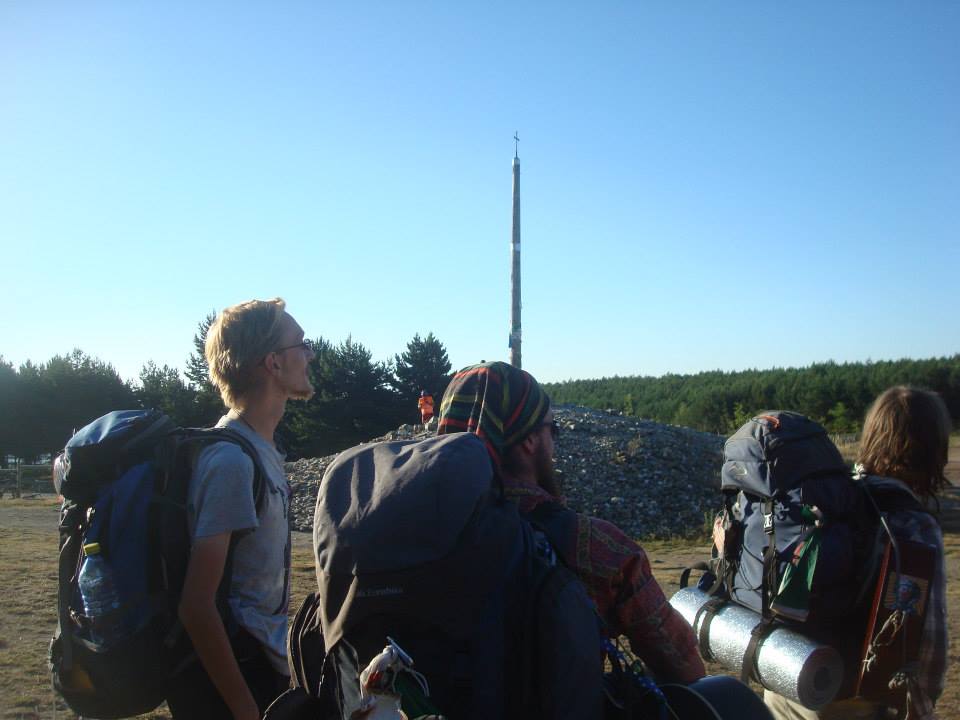
2. Walk the Camino de Santiago in northern Spain
For me, walking the Camino de Santiago in northern Spain is one of the most special travel activities to do not only in Spain but the entire world!
If you don’t know, then the Camino is a network of walking routes that lead to the traditional burial place of St James the Apostle in the Cathedral of Santiago de Compostela (a city I’ll be discussing later).
For centuries it has been a religious pilgrimage, but today, people from all over the world undertake the Camino for a mixture of religious, spiritual, cultural and personal reasons.
As mentioned, there are several different routes you can take to reach Santiago de Compostela. Here are the three most popular ways:
- Camino Francés – the most popular route. Also known as ‘the French Way’. The traditional starting point is Saint-Jean-Pied-de-Port in France, although there are routes leading into it from elsewhere.
- Camino Portugués – an increasingly popular way to reach Santiago de Compostela. You can begin your Camino from Lisbon, Porto or several other lovely cities and coastal towns in between.
- Camino del Norte – this route goes along Spain’s northern coast. It features stunning scenery of the coast through the Basque Country as well as beauty spots such as Asturias and Cantabria.
I walked the Camino de Santiago alone several years ago over a 5-week period. It remains the most special, rewarding and spiritual journey of my life.
That may sound like hyperbole and the Camino is often overhyped. But from the people I met to the ever-changing scenery I saw, for me it was truly an adventure of a lifetime and unlike any other travel activities I’ve done.
It’s one of those rare travel experiences where the journey really is just as important as the destination, which is why I consider it one of the ultimate Spain bucket-list experiences.
The full Camino isn’t for everyone, though. Walking long distances day after day requires preparation and a reasonable level of fitness, particularly if you plan to tackle one of the longer routes.
And you need to prepare well in advance in terms of exercise and having an essential packing list too.
3. See Picasso’s ‘Guernica’ in Madrid
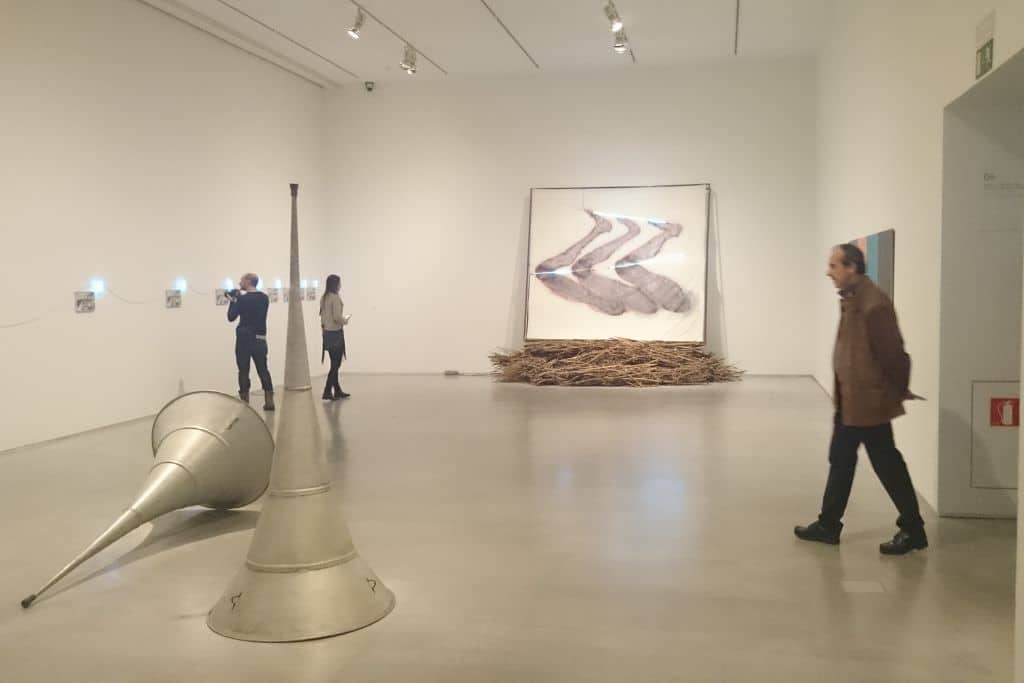
If you’re an art lover, then visiting the Spanish capital is an absolute must! Madrid is home to three major art museums that are collectively known as the Golden Triangle of Art: the Prado, the Thyssen-Bornemisza and the Reina Sofía.
Depending on your taste, you may prefer the huge Prado Museum or the Thyssen-Bornemisza Museum, particularly if you’re interested in classical and historical art.
If you’re like me and enjoy more modern art, then I recommend the Reina Sofía Museum. The museum houses an extensive collection of Spanish modern and contemporary art. Its centrepiece is undoubtedly Picasso’s magnificent Guernica.
Inspired by the bombing of the Basque town of Guernica during the Spanish Civil War, seeing this in person was honestly a dream come true for me – I actually had a poster of Guernica hanging in my bedroom for several years!
👉 I highly recommend taking a guided tour of the Reina Sofía Museum to fully appreciate the artworks and the artists who created them. This 1-hour-30-minute guided tour is a great option:
✅Guided visit to Reina Sofia Museum
So yes, if you have an interest in Picasso or art in general, then a visit to see Guernica should most definitely be on your Spain travel bucket list.
➡️ Find the Best Hotels in Madrid here
4. Be in awe of the Mosque-Cathedral in Cordoba
I can say with my hand on my heart that the Mosque-Cathedral in Cordoba ranks as the most awe-inspiring building I have ever stepped foot inside of in my whole life!
Dating back to the 8th century, this UNESCO World Heritage Site combines stunning Islamic and Christian architecture, with seemingly endless rows of columns and the famous red-and-white striped arches.
Although I said that the Sagrada Família in Barcelona is Spain’s most impressive architectural landmark, the Mosque-Cathedral is a very close second.
It’s an absolutely mesmerising place and one that I highly recommend adding to your list of things to see in Spain.
👉 It’s well worth taking a guided tour of Córdoba’s other major historical sites as well as the Mosque-Cathedral.
This immersive 4-hour tour takes you to the Mosque-Cathedral, the Alcázar and the Jewish Synagogue, with skip-the-line entry:
✅ Mosque-Cathedral, Alcazar & Synagogue with Skip the Line Tickets

➡️Find the Best Hotels in Cordoba here
5. Go running with the bulls at the San Fermín festival in Pamplona
If you’re a bit of an adrenaline junkie and want to experience one of Spain’s weird but wonderful annual traditions, then the San Fermín Festival should be high on your list when planning your next trip.
Based in the delightful city of Pamplona, San Fermín takes place every July, with the famous running of the bulls taking place each morning from 7–14th July.
Hundreds of runners race through the city’s streets ahead of a group of bulls in one of Spain’s most famous and controversial traditions.
I visited Pamplona during San Fermín and the whole city felt like one big party. Everyone was dressed in red and white and there was a fantastic celebratory atmosphere.
I watched the running of the bulls and it’s a crazy and unique thing to witness. But I certainly wasn’t brave enough to participate!
👉 Pro tip: If you really want to run with the bulls, be aware that it is an extremely dangerous activity.
Make sure you understand the official rules and safety advice before participating, and only consider it if you’re physically fit and confident running in a crowded environment.
6. Be amazed by Ronda’s Puente Nuevo bridge
Ronda is a gorgeous small city in Andalusia and makes for a fantastic day trip from larger cities such as Málaga and Seville.
The city’s main attraction is the incredibly impressive Puente Nuevo bridge. Completed in 1793, the bridge spans the spectacular El Tajo gorge, which plunges around 120 metres below.
It’s an iconic piece of engineering and left me totally in awe when I visited Ronda on a day trip from Seville. The views of the Andalusian countryside surrounding Ronda are equally spectacular, making this one of my favourite places in southern Spain.
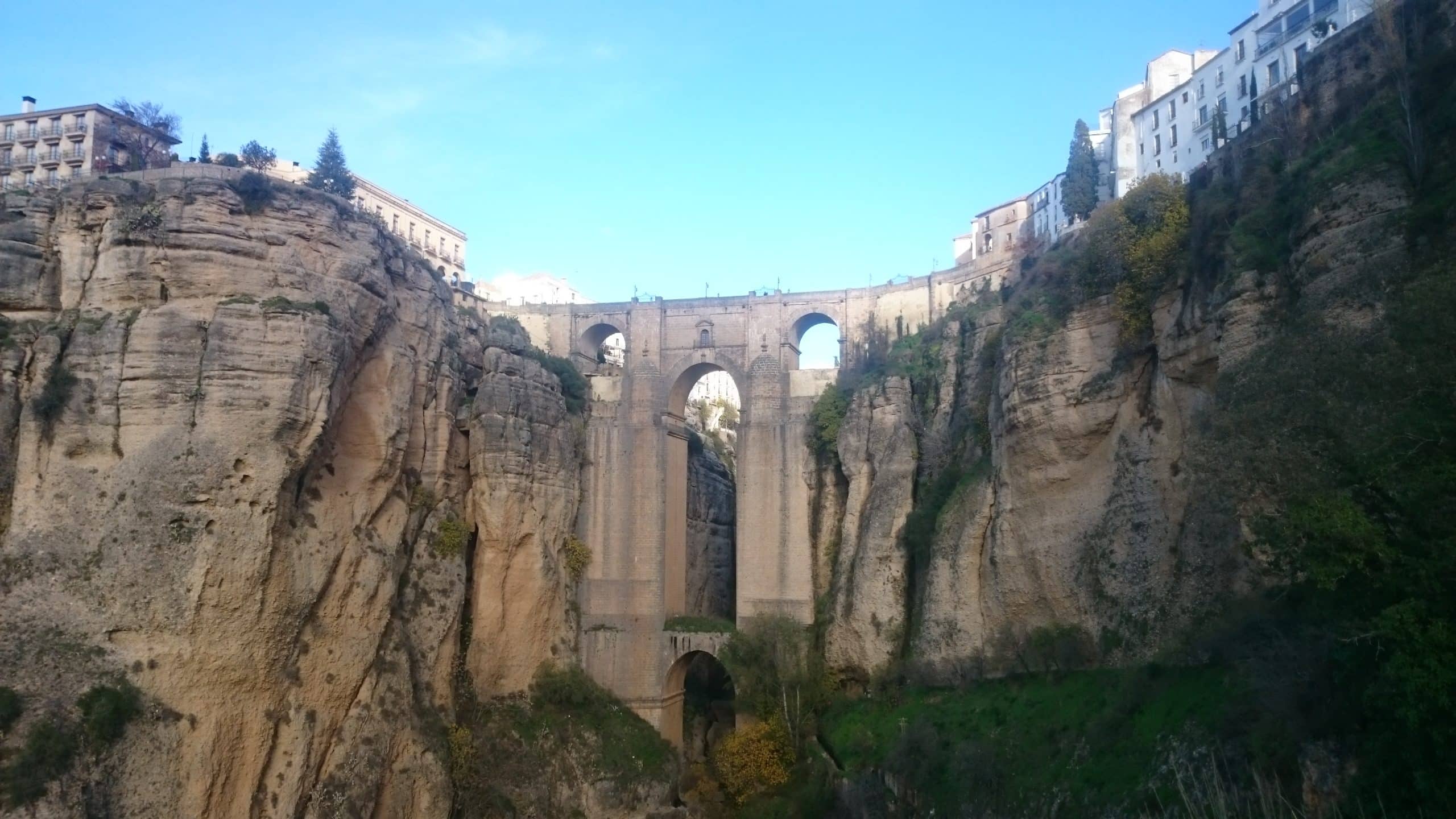
7. Explore Granada’s magnificent Alhambra Palace
Another extraordinary architectural site in Spain is the Alhambra, in the equally gorgeous city of Granada in Andalusia.
This magnificent palace and fortress complex is one of the world’s finest examples of Islamic architecture.
Originally a fortress, the Alhambra was transformed into a magnificent palace complex by the Nasrid dynasty from the 13th century onwards.
I’ve been fortunate enough to visit the Alhambra on two occasions, and both times I’ve been absolutely blown away by the breathtakingly intricate architecture and delightful gardens.
It’s another absolute must-do experience in Spain.
👉 It’s essential to book your Alhambra tickets online well in advance, particularly if you want to visit the famous Nasrid Palaces, as visitor numbers are limited.
A guided tour is a great idea too. I recommend this 3-hour tour, which includes a visit to the Nasrid Palaces:
✅ Alhambra & Generalife Skip the Line Premium Tour
➡️Find the Best Hotels in Granada here
8. Have fun at the Carnival of Cadiz
Cádiz is a very nice port city in Andalusia, and it’s famous for hosting one of Spain’s most colourful and bizarre festivals every February.
The Carnival of Cádiz is a huge celebration featuring music, humour, satire and some of the strangest costumes you’ll ever see.
The tradition dates back centuries, and the city’s streets come alive with people dressed up in all kinds of weird and wonderful outfits.
I visited Cádiz during Carnival and it was a bizarre but incredibly fun experience. The costumes range from the sublime to the ridiculous, and the whole city has an awesome party atmosphere.
9. See a flamenco show in Seville
Flamenco is one of Spain’s most famous traditional art forms, and seeing a live show is a fantastic way to experience the passion and emotion of Spanish culture.
Seville, the capital of Andalusia, is one of the best places in Spain to experience flamenco. You can find numerous traditional tablaos and flamenco venues throughout the city.
I saw a live flamenco show during my two-month stay in Seville and was wowed by the performances. It’s a great night out and certainly an unforgettable Spanish experience.
👉 There are so many flamenco shows in Seville that it can be difficult to know where to go and which one to choose.
I highly recommend Tablao El Arenal, one of Seville’s best-known flamenco venues:
✅ Flamenco Show at Tablao El Arenal with Drink and Dinner or Tapas
➡️Find the Best Hotels in Seville here
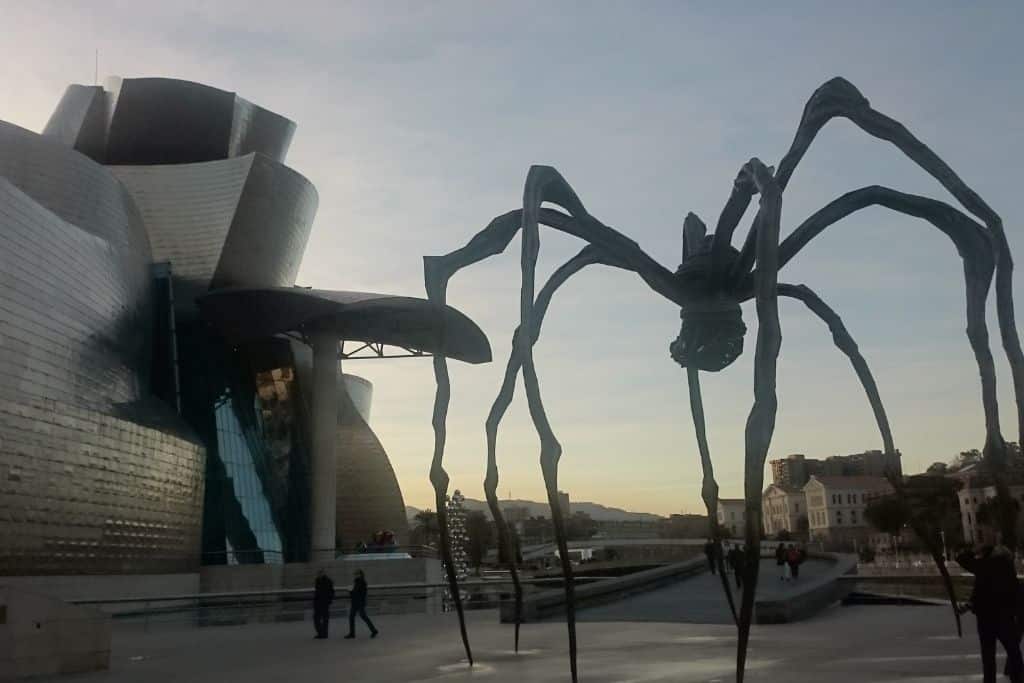
10. Visit the Guggenheim Museum in Bilbao
Bilbao in northern Spain is another culturally rich city that is definitely well worth a visit. It’s home to one of the world’s most iconic contemporary buildings – the Guggenheim Museum Bilbao.
This modern and contemporary art museum opened in 1997 and looks like it belongs in New York rather than Spain!
Designed by the renowned architect Frank Gehry, the building itself is an absolute masterpiece of contemporary architecture and has become the symbol of Bilbao.
👉 Pro Tip: If you plan on visiting the Guggenheim, don’t make the same mistake that I did and visit on a Monday! Check the museum’s current opening days before you go, as opening hours can change.
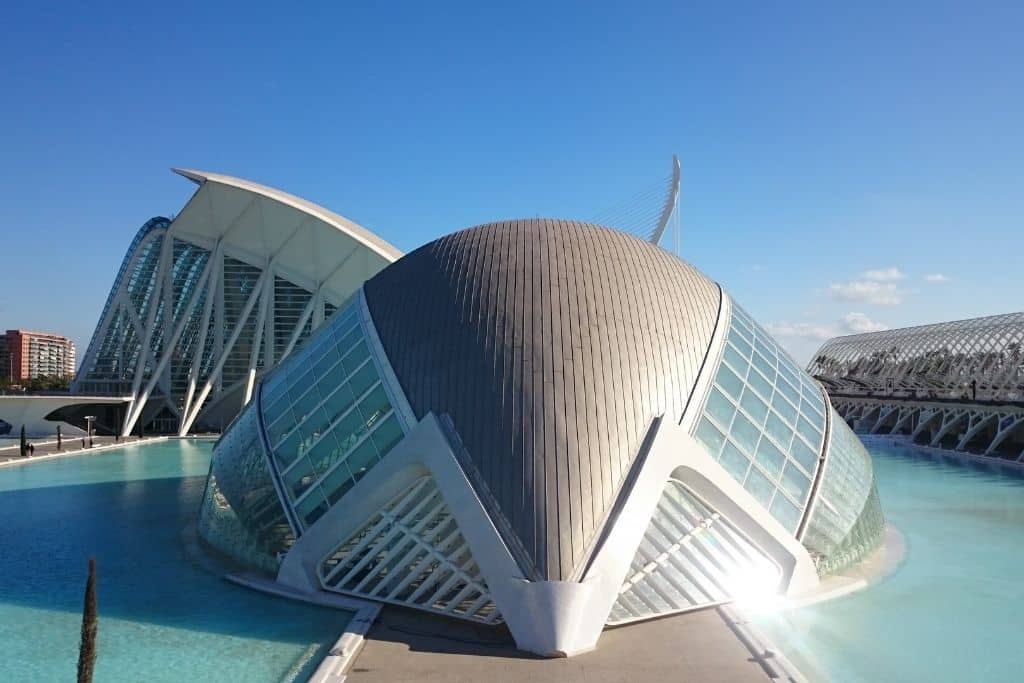
11. Explore Valencia’s City of Arts and Sciences
On the east coast of Spain you’ll find Valencia, the country’s third-largest city after Madrid and Barcelona.
It’s a lovely city with plenty to see and do, but if you only have time to visit one attraction, you simply cannot miss the City of Arts and Sciences (Ciudad de las Artes y las Ciencias).
This impressive cultural complex is surrounded by water and looks like something from a futuristic sci-fi film. Its spectacular architecture has even appeared in several films and TV series.
Once again, I was totally blown away by the architecture here. The complex is also a fantastic family day out, with several different attractions to explore.
It includes an enormous aquarium, an interactive science museum, an IMAX-style cinema and planetarium, a spectacular opera house and the peaceful Umbracle gardens.
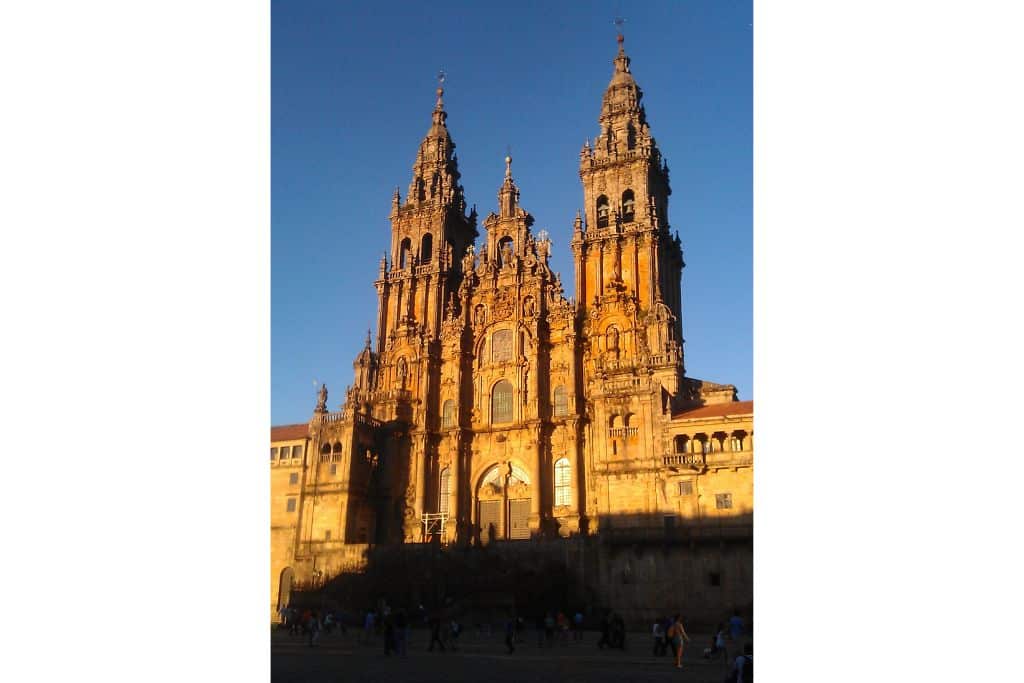
12. Enjoy the beauty of Santiago de Compostela
As mentioned at the top of this list, Santiago de Compostela is the final destination for pilgrims walking the Camino de Santiago.
But even if you’re not completing the Camino, this absolutely gorgeous city is well worth visiting in its own right.
The Old Town is a UNESCO World Heritage Site, and it’s easy to see why when you spend time wandering its atmospheric streets. Filled with historic architecture, the city feels like stepping back in time.
The centrepiece is, of course, the magnificent Cathedral of Santiago de Compostela, which dominates the city’s main square.
This is where you’ll see many delighted pilgrims celebrating after completing their Camino – something that gives Santiago a unique and special atmosphere.
13. Experience Galician culture in A Coruña
Just around an hour north of Santiago de Compostela is another pretty city that I recommend visiting: A Coruña.
A Coruña is a historical maritime city on the northwest coast of Spain and the second-largest city in Galicia after Vigo.
Here you can experience a taste of authentic Galician culture, including local dishes such as pulpo a feira (octopus seasoned with paprika, olive oil and salt), as well as breathtaking coastal scenery overlooking the Atlantic Ocean.
I spent two weeks in A Coruña several years ago and absolutely fell in love with the city, the dramatic ocean scenery and the local people.
👉 Pro Tip: I highly recommend visiting the Tower of Hercules if you make it to A Coruña.
Dating back to Roman times, it is the world’s oldest Roman lighthouse still in use and is a UNESCO World Heritage Site. The views of the Atlantic Ocean from the top of the tower are simply unbeatable.
14. Discover the unique villages of the Alpujarras
The Alpujarras is a splendid mountainous region south of Granada, famous for its charming whitewashed villages and spectacular mountain scenery.
Villages such as Pampaneira, Bubión and Capileira are very picturesque, with whitewashed houses, narrow streets and traditional architecture dotted across the dramatic slopes of the Sierra Nevada.
It’s a fantastic area to explore if you want to get away from the busier tourist destinations in Andalusia and experience a quieter, more traditional side of southern Spain.
15. Walk Málaga’s Caminito del Rey
The Caminito del Rey, which translates roughly as “the King’s Little Pathway”, is a walkway built along the steep walls of the Desfiladero de los Gaitanes gorge in Málaga province.
It was once notorious for being extremely dangerous, but the original walkway has been extensively renovated and a new, much safer route opened in 2015.
It’s an awesome experience for thrill seekers, with dramatic cliffs, narrow gorges and spectacular views throughout the route.
👉I recommend booking a guided tour of the Caminito del Rey rather than organising everything yourself, particularly if you don’t have your own transport.
This 7-hour guided tour conveniently includes private transportation to and from Málaga, making for an easy and stress-free experience:
✅From Malaga Caminito del Rey Guided Tour with transportation
➡️Find the Best Hotels in Malaga here
16. Enjoy the chilled vibes of Ibiza
Ibiza is well known as Spain’s party island. While that is still very much the case, the island is also blessed with stunning natural beauty, spectacular beaches and a much more relaxed side away from the famous clubs.
I spent a week in Ibiza a few years ago and really loved the laid-back atmosphere. One of my favourite places to visit was Es Vedrà, a small uninhabited island just off the southwest coast of Ibiza.
Es Vedrà is famous for its dramatic rocky cliffs and the many myths and legends surrounding it, including stories of UFO sightings and other unexplained phenomena.
Whether you believe the stories or not, it’s an amazing sight and definitely worth seeing.
Check out this FREE GUIDE to my Top 10 Underrated Cities in Spain:
17. Sample sherry at a bodega in Jerez de la Frontera
Jerez de la Frontera is a historic city in the province of Cádiz, famous around the world for producing sherry, the fortified wine that takes its name from the city.
Jerez is home to numerous traditional bodegas, where you can learn about the sherry-making process and, of course, sample some of the different varieties.
I spent a day exploring Jerez on my way to Cádiz and was pleasantly surprised by the city’s beauty and culture.
If you’re visiting, I definitely recommend taking a tour of one of the city’s bodegas to discover how sherry is produced and sample some for yourself.
18. Visit the ancient city of Toledo
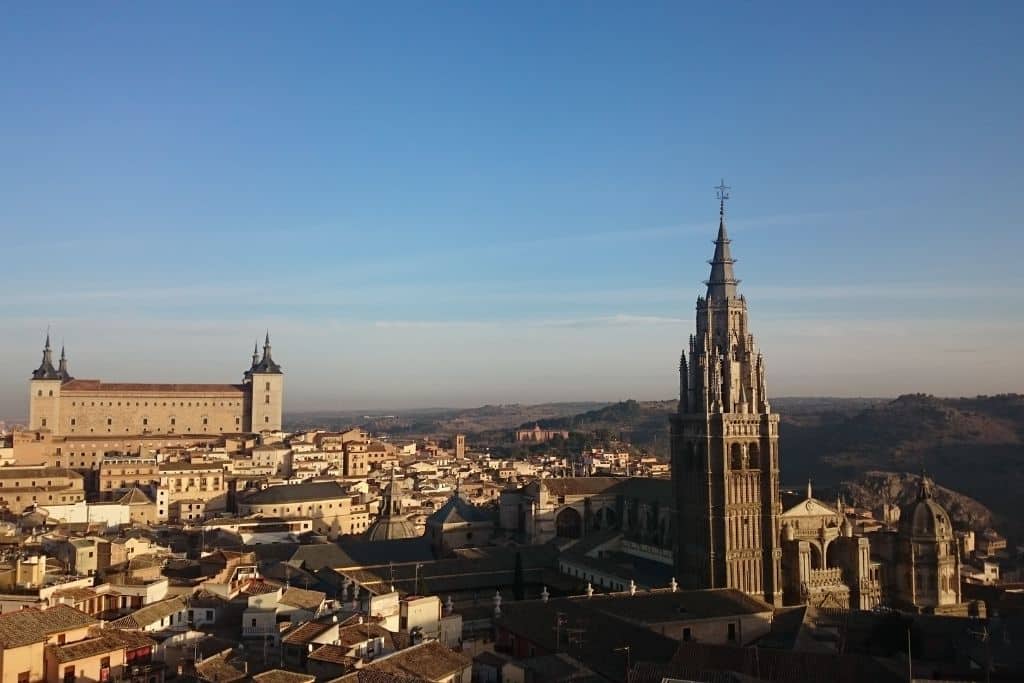
Less than an hour by high-speed train from Madrid is the historic city of Toledo. I wholeheartedly recommend visiting Toledo if you’re looking for an easy and rewarding day trip from the Spanish capital.
Toledo is a truly historic city, with a unique mixture of Christian, Muslim and Jewish heritage. You’ll find everything from Gothic and Renaissance architecture to Mudejar influences, and the centre is a UNESCO World Heritage Site.
I visited Toledo on a day trip from Madrid and loved wandering through the old cobbled streets and discovering the city’s rich past.
I particularly recommend visiting the Cathedral of Toledo, which is simply unmissable.
👉 I recommend taking a guided tour of Toledo to learn more about the complex history of this remarkable city.
This 6-hour-45-minute tour takes you to many of the city’s main historical sites and monuments and also includes lunch:
✅Toledo Complete Tour
19. Be impressed by Segovia’s Roman Aqueduct
Another city that’s easily reachable from Madrid and well worth visiting on a day trip is Segovia. The city is packed with historic monuments, most notably its remarkable Roman Aqueduct.
Built during the Roman period, the aqueduct is an extraordinary feat of engineering. Its huge stone arches have stood for almost 2,000 years and remain one of Segovia’s defining landmarks.
I went on a day trip to Segovia and was really impressed with the city. I also recommend visiting the Alcázar of Segovia, one of Europe’s most distinctive castles, which sits dramatically on a rocky outcrop overlooking the city.

20. Relax on a beach in southern Spain
Spain is famous for its sunny climate and spectacular coastline, so spending some time relaxing on a glorious beach should be high on your priority list when visiting this country.
If you’re looking for a traditional Spanish beach holiday, the Mediterranean and southern coasts have plenty of options. Here are three beaches and beach destinations worth considering:
- Playa de San Juan – located near Alicante, this long sandy beach stretches for around 6 kilometres and has clear waters and plenty of facilities, including water sports.
- Playa de la Barrosa – near Chiclana de la Frontera in Cádiz province, this spotless sandy beach covers several kilometres and is particularly popular with families.
- Nerja – The charming coastal town of Nerja in Málaga province has several golden beaches and coves to explore. I visited Nerja myself and really enjoyed the relaxed atmosphere and nice coastline.
21. See Cuenca’s amazing Hanging Houses
One of the most unusual architectural sights in Spain is the Hanging Houses of Cuenca (Casas Colgadas).
Perched dramatically on the edge of the Huécar River gorge, these medieval houses are famous for their wooden balconies that appear to hang over the cliff face.
They are one of Cuenca’s defining landmarks and an absolute must-see when visiting the city.
22. Wander around Ávila’s castle walls
Another historic city worth visiting in Spain is Ávila, around 70 miles northwest of Madrid. What makes Ávila particularly special is its remarkably well-preserved medieval walls, which completely encircle the historic old town.
Dating mainly from the 11th century, the walls are around 2.5 kilometres long and feature more than 80 towers and numerous gates. Unsurprisingly, the Old Town of Ávila is a UNESCO World Heritage Site.
You can actually walk along sections of the walls and enjoy fantastic views across the city and surrounding Castilian countryside. A visit here makes for a great day trip from Madrid.
23. Experience the Gothic Beauty of Burgos
Burgos in northern Spain is a historic city with a wealth of Gothic architecture.
The highlight is undoubtedly the Cathedral of Burgos, which dominates the historic centre. This magnificent Gothic cathedral is one of Spain’s most important architectural landmarks and is a UNESCO World Heritage Site.
I spent a day exploring Burgos while walking the Camino and was really taken by the city’s character and architecture. It’s a lovely place to stop and explore when travelling through northern Spain.
24. Discover the Caves of Nerja
As mentioned, the coastal town of Nerja is a delightful place with lovely beaches, and it’s also home to one of southern Spain’s most remarkable natural attractions – the Nerja Caves.
Discovered in 1959, these enormous caves contain some of the world’s largest stalactites and stalagmites, along with evidence of human occupation dating back tens of thousands of years.
It’s possible to buy a ticket and explore part of the vast cavern system for yourself. I visited the caves and was completely taken aback by the sheer scale of the chambers and rock formations. It’s a must-see when visiting Nerja.
👉A guided tour is a good way to learn more about the caves and their history.
This 7–8 hour tour also includes a visit to the town of Frigiliana, where you can sample some local wine:
✅Tour of Nerja and Frigiliana with Caves
25. Explore the Wild Landscapes of Asturias
Often overlooked by international tourists, Asturias in northern Spain is a region that’s well worth discovering.
Home to dramatic mountain landscapes, breath-taking coastlines, charming medieval towns and a distinctive local culture, Asturias offers a very different experience from Spain’s better-known tourist destinations.
It’s a fantastic choice if you want to explore a quieter side of Spain, with plenty of spectacular scenery and relatively little of the mass tourism you’ll find in some of the country’s more popular destinations.
26. Go on a Day Trip to Montserrat
If you’re looking for a day trip from Barcelona to escape the crowds, then you can’t go wrong with a visit to Montserrat.
Around an hour and a half from Barcelona by public transport, Montserrat is a striking mountain range famous for its unusual jagged rock formations.
It’s also home to Santa Maria de Montserrat Abbey, a Benedictine monastery that’s been an important pilgrimage site for centuries.
I visited Montserrat several years ago and was blown away by the views across the surrounding Catalan countryside. It’s a memorable day trip from Barcelona and a great way to experience a very different side of the region.
27. Go on a Wine Tour in Rioja
Spain has a long wine-making tradition and is home to some of Europe’s best-known wine regions, including Rioja.
One of the most memorable places to experience Spanish wine is Marqués de Riscal in the Rioja village of Elciego. The winery dates back to 1858 and is famous for its spectacular Frank Gehry-designed building.
Tours include a visit to the historic winery and vineyard followed by a tasting of several Marqués de Riscal wines.
It’s a great way to experience another side of Spanish culture – and, of course, sample some excellent Rioja along the way.
28. Relax on a Beach in the Canary Islands
The Canary Islands are a unique archipelago in the Atlantic Ocean, famous for their warm climate, volcanic landscapes and excellent beaches.
The islands are popular with international tourists and Spaniards alike, with Tenerife, Gran Canaria and Lanzarote among the most visited.
Each island has its own character, from Tenerife’s dramatic volcanic scenery to Lanzarote’s unusual landscapes and Gran Canaria’s sandy beaches.
The Canary Islands are a great choice if you’re looking for a relaxing getaway with plenty of sunshine, beaches and outdoor activities at almost any time of year.
29. Take part in a food fight at La Tomatina
Arguably Spain’s most bizarre but enjoyable annual festival is La Tomatina. This famous tomato-throwing festival takes place on the last Wednesday of August every year in Buñol, near Valencia.
It’s one of the world’s biggest food fights, with thousands of people descending on the town to throw tomatoes at each other until the streets are covered in red.
The festival dates back to the 1940s, although the exact story behind how the tradition began is still debated.
Nowadays, La Tomatina is limited to around 20,000 ticketed attendees, so make sure you book your ticket well in advance if you fancy getting covered in tomatoes!
30. Take a Spanish Cooking Class
And last but certainly not least, one of my favourite ways to experience Spain is by taking a Spanish cooking class.
Spanish cuisine is exceptionally diverse, with famous dishes such as paella, tortilla española and tapas enjoyed throughout the country.
A cooking class gives you the chance to learn how some of these dishes are made while discovering more about Spanish food and culture.
It’s a fun way to experience a different side of Spain, and you get to enjoy the food you’ve prepared at the end too!
Helpful Links For Planning Your Trip
Here are some helpful links to help plan your trip to Spain:
🚄 Book trains, buses, ferries in Spain – Find train tickets between cities such as Madrid, Barcelona and Seville, as well as buses and ferries to Spain’s islands.
🏨 Find hotels in Spain – Compare accommodation ranging from budget-friendly city stays to beach resorts and boutique hotels throughout Spain.
🍜 Join a food tour in Spain – Discover Spanish cuisine through tapas tours, local food experiences, cooking classes and wine tastings.
🌅 Book a day trip in Spain – Explore popular destinations such as Montserrat, Toledo, Segovia and the Alhambra with guided day trips and excursions.
Spain Bucket List FAQs
Here are answers to some of the most common questions about visiting Spain, including the best time to go, where Spaniards holiday and how much time you need:
What is the cheapest time of year to visit Spain?
Winter is generally one of the cheapest times to visit Spain, particularly from November to February, although prices vary considerably depending on where you go.
The summer months are the busiest and often the most expensive, especially in popular coastal destinations and the islands.
Travelling during winter or spring/autumn can mean cheaper flights and accommodation, while also offering the chance to experience Spain with fewer crowds.
That said, Christmas and New Year can be expensive in popular cities such as Madrid and Seville, so don’t assume every winter date will be cheap.
Where do most Spaniards like to visit in Spain?
Many Spaniards choose to holiday within Spain, particularly during the summer months. Northern Spain is a popular choice, partly because its generally cooler climate is appealing during the hottest time of the year.
Regions such as Asturias, Galicia, Cantabria and the Basque Country are popular for their beaches, mountains, food and cooler summer temperatures.
The Mediterranean coast, Andalusia and the Balearic and Canary Islands are also hugely popular with domestic tourists, so there isn’t really one single destination that most Spaniards prefer.
What is the richest part of Spain?
The Basque Country, Madrid and Navarra are among Spain’s wealthiest regions when measured by GDP per person, while Madrid has the largest overall regional economy.
Madrid is also one of Spain’s most expensive places to live, particularly when it comes to housing in central areas.
What is the number one bucket-list destination in Spain?
There isn’t one definitive answer, as it depends on what you’re interested in. However, the Sagrada Familia in Barcelona, the Alhambra in Granada and the Mosque-Cathedral of Córdoba are among the country’s most iconic attractions.
How many days do you need to visit Spain?
Spain is a large and diverse country, so you could easily spend several weeks exploring it without seeing everything.
For a first trip, around 10–14 days gives you enough time to combine several major destinations without rushing too much.
If you have only a week, it’s better to concentrate on one region, such as Andalusia, Catalonia or northern Spain, rather than trying to cover the entire country.
Conclusion: 30 Spain Bucket List Experiences
And there we have it – 30 of the best bucket-list experiences and destinations in Spain. I could have easily included many more, as Spain has such a huge variety of cultural, historical and natural attractions to discover.
Whether you want to admire architectural landmarks such as the Sagrada Familia and the Mosque-Cathedral of Córdoba, walk the Camino de Santiago, explore medieval cities or simply relax on a beach, there really is something for everyone.
I hope this list has given you plenty of inspiration for your next trip to Spain and helped you discover a few places and experiences you hadn’t considered before. Now all that’s left to do is start planning your adventure!
➡️ Planning your trip? Here are my favourite resources:
🏨 Accommodation: I recommend using Booking.com
🚙 Rental Car: Use Discover Cars for the best car rental prices
❤️ Travel Insurance: I recommend using Visitors Coverage
✈️ Flights: Use Kiwi.com for the best prices on flights